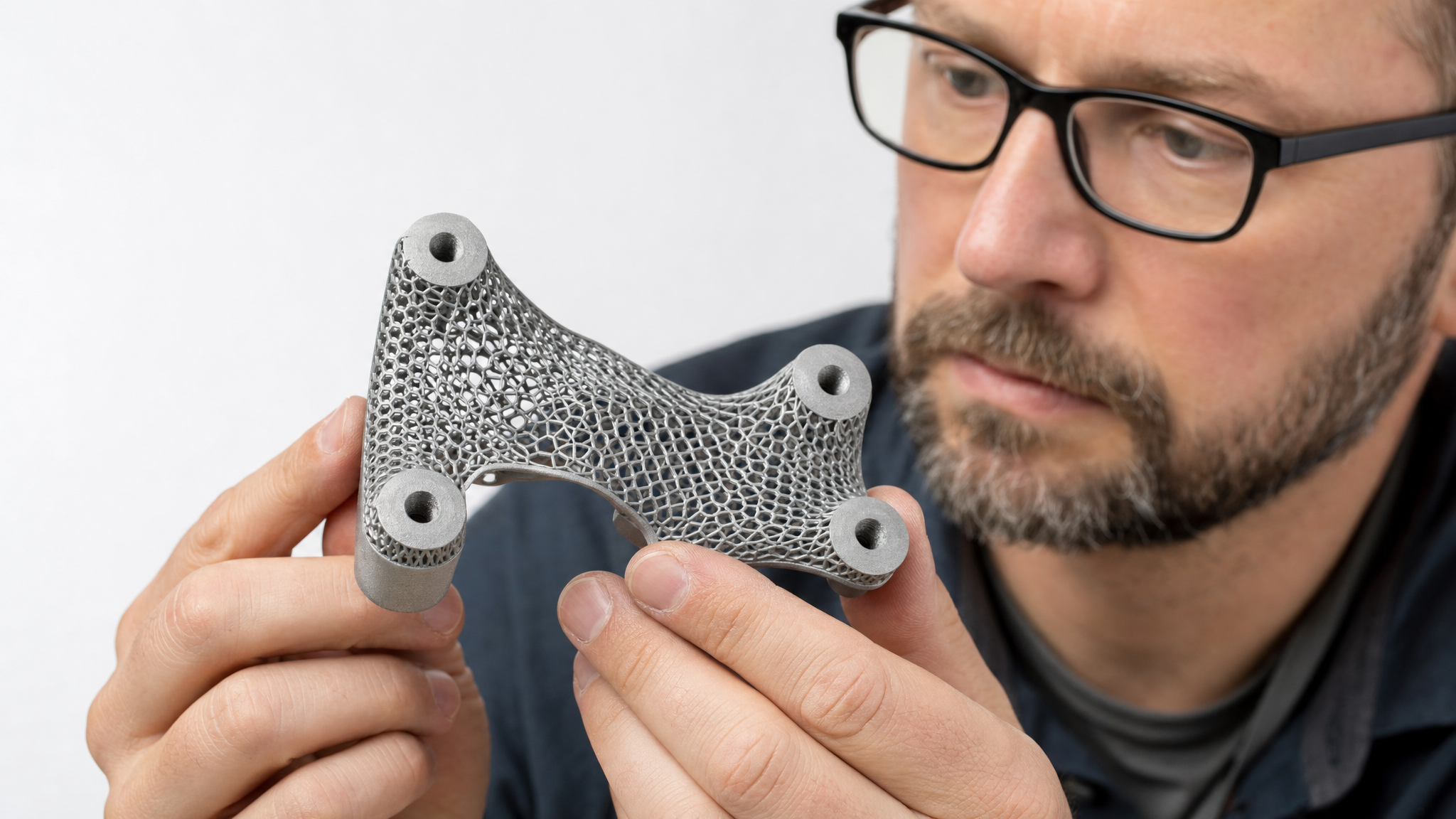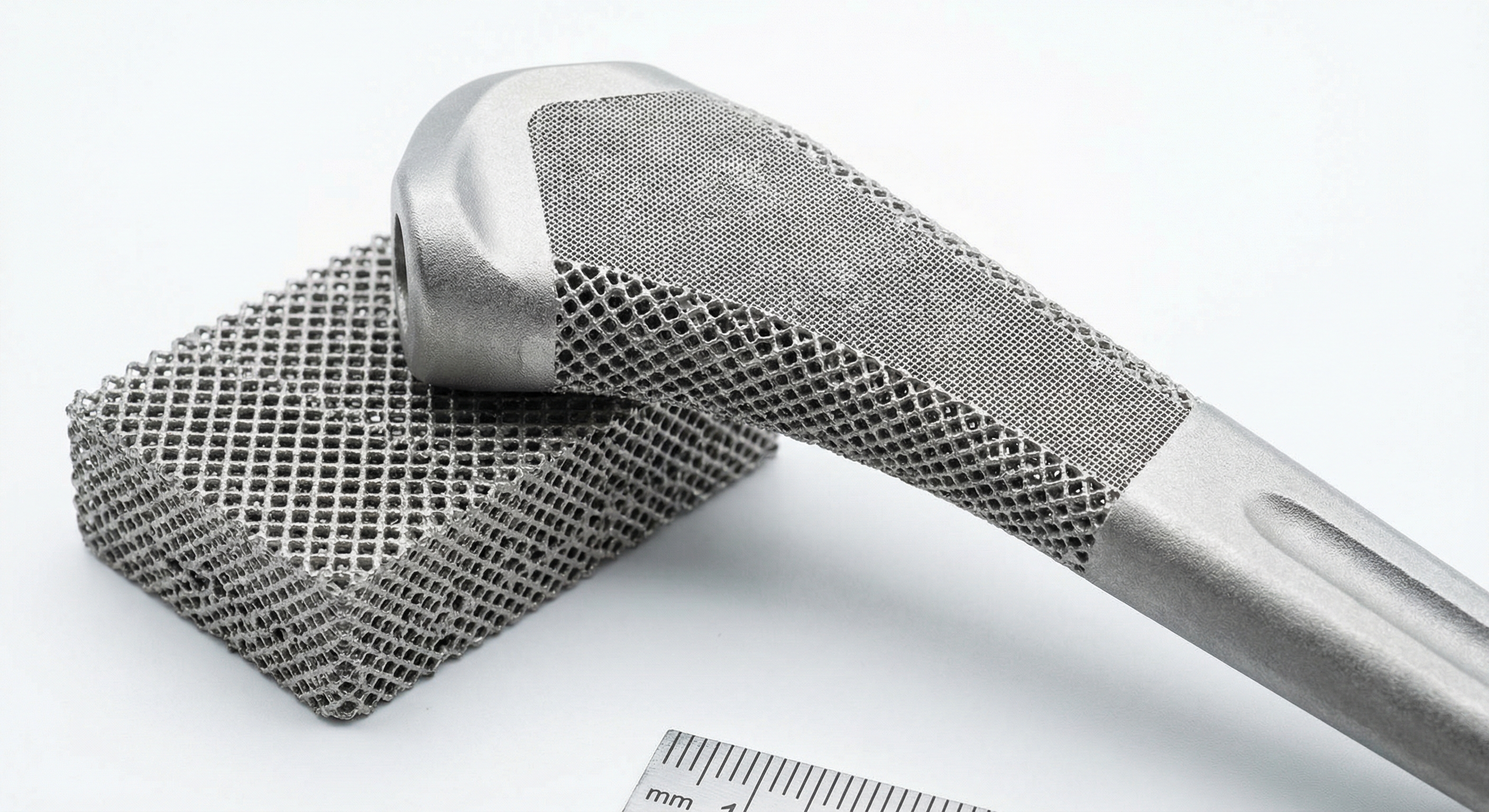
Metal 3D Printing

Industrial-Grade Steel 3D Printing

17-4 PH hardness (1365 MPa) and 316L corrosion resistance for tooling, bearings, and precision instruments

Steel Alloys for Industrial Manufacturing

⚙️

17-4 PH (Grade H1025)

Tensile Strength: 1365-1372 MPa (hardened & aged)

Density: 7.81 g/cm³

Corrosion Resistance: Excellent in saltwater and chemicals

Premium martensitic stainless steel for high-strength applications. Precipitation hardening delivers superior hardness. Industry standard for aerospace tooling, bearing races, and precision instruments requiring both strength and corrosion resistance.

🛡️

316L Stainless Steel

Tensile Strength: 565-586 MPa

Density: 8.0 g/cm³

Corrosion Resistance: Superior in acidic and chloride environments

Austenitic stainless with low carbon for superior weldability. 316L excels in chemical processing, medical instruments, and marine applications where corrosion resistance takes priority over maximum hardness. Excellent biocompatibility for surgical instruments.

🔨

Industrial Application Benefits

Design Freedom: Complex internal geometries impossible to machine

Cost Savings: Zero tooling, 80%+ material waste elimination

Performance: 99.5% density equals forged steel properties

Replace 15+ machined parts with single consolidated assembly. Cooling channels in tool inserts increase productivity 40%. Bearing races manufactured as integrated units. Speed and affordability for one-off prototypes through small production runs.

1365
17-4 PH Tensile (MPa)
586
316L Tensile (MPa)
99.5%
Density Achievement
±0.001"
Precision Tolerance

Real-World Applications

Precision tool insert

Precision Tooling & Molds

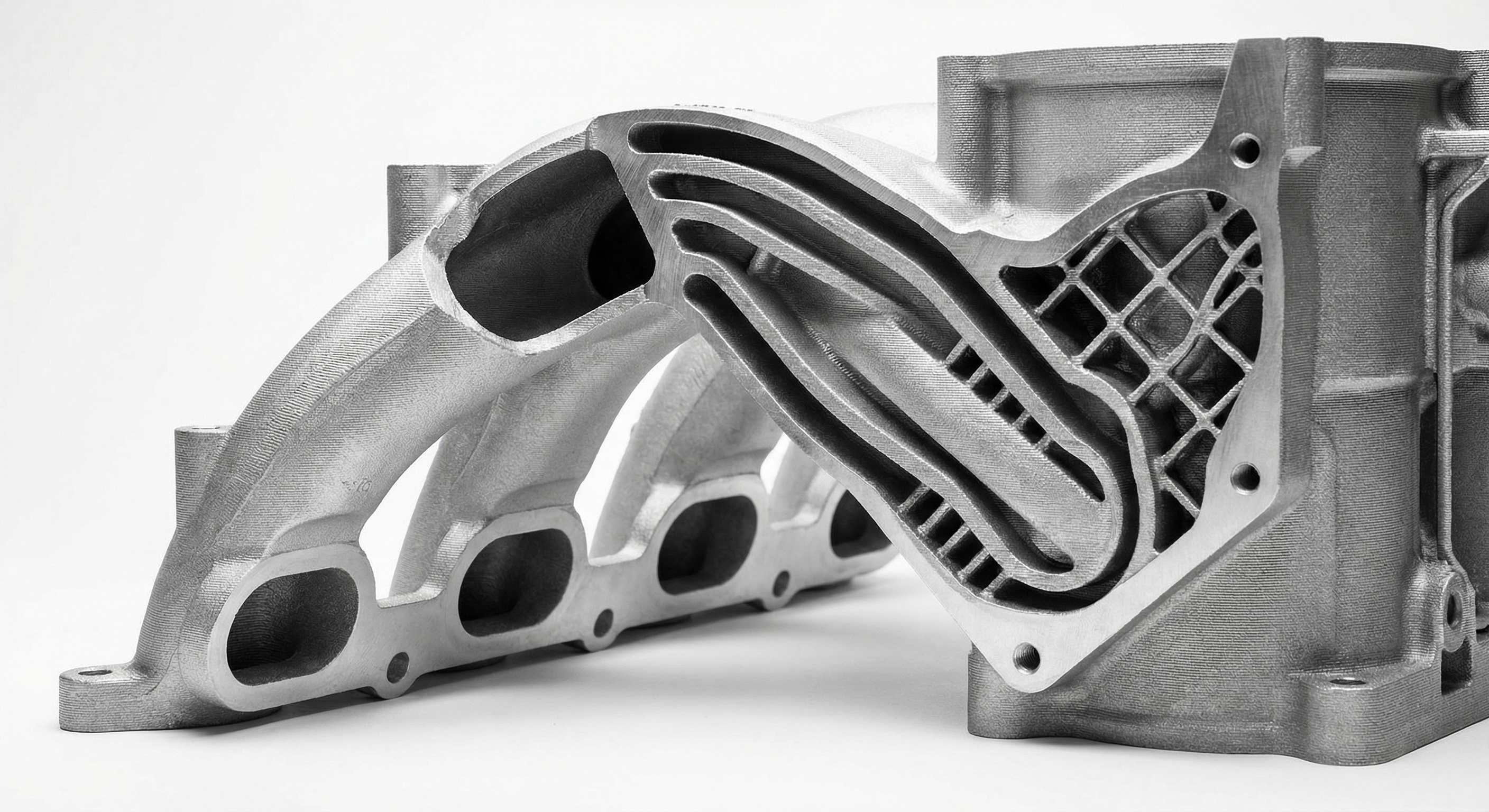
Traditional mold-making requires 12-16 weeks and $50,000+. 17-4 PH 3D printing delivers production-ready inserts in 4-6 weeks. Cooling channels integrated directly into tool steel:

  • Injection molding inserts with integrated cooling
  • 40% improved cycle times through optimized channels
  • Complex undercuts without manual deburring
  • Prototype molds for design validation
  • Hardness 50-52 HRC post-aging (competitive with traditional)
Bearing component

Bearings & Mechanical Components

Consolidated bearing assemblies with integral races and retention features. 316L stainless for corrosion resistance in harsh environments:

  • Integral ball/roller races eliminating separate components
  • Reduced assembly labor and fastening requirements
  • Lightweight designs with 30% weight reduction
  • Marine and chemical processing applications
  • Custom bearing geometries for specialized machinery
Surgical instruments

Medical & Surgical Instruments

316L stainless steel precision instruments with superior corrosion resistance. Suitable for surgical grade applications requiring hardness and biocompatibility:

  • Surgical clamps and forceps with ergonomic geometry
  • Instrument handles with integrated textured grips
  • Custom-designed surgical tools for specialized procedures
  • Autoclavable components with superior durability
  • ISO 5832-5 stainless steel medical grade compliance

DMLS/SLM Process for Steel

Material Preparation

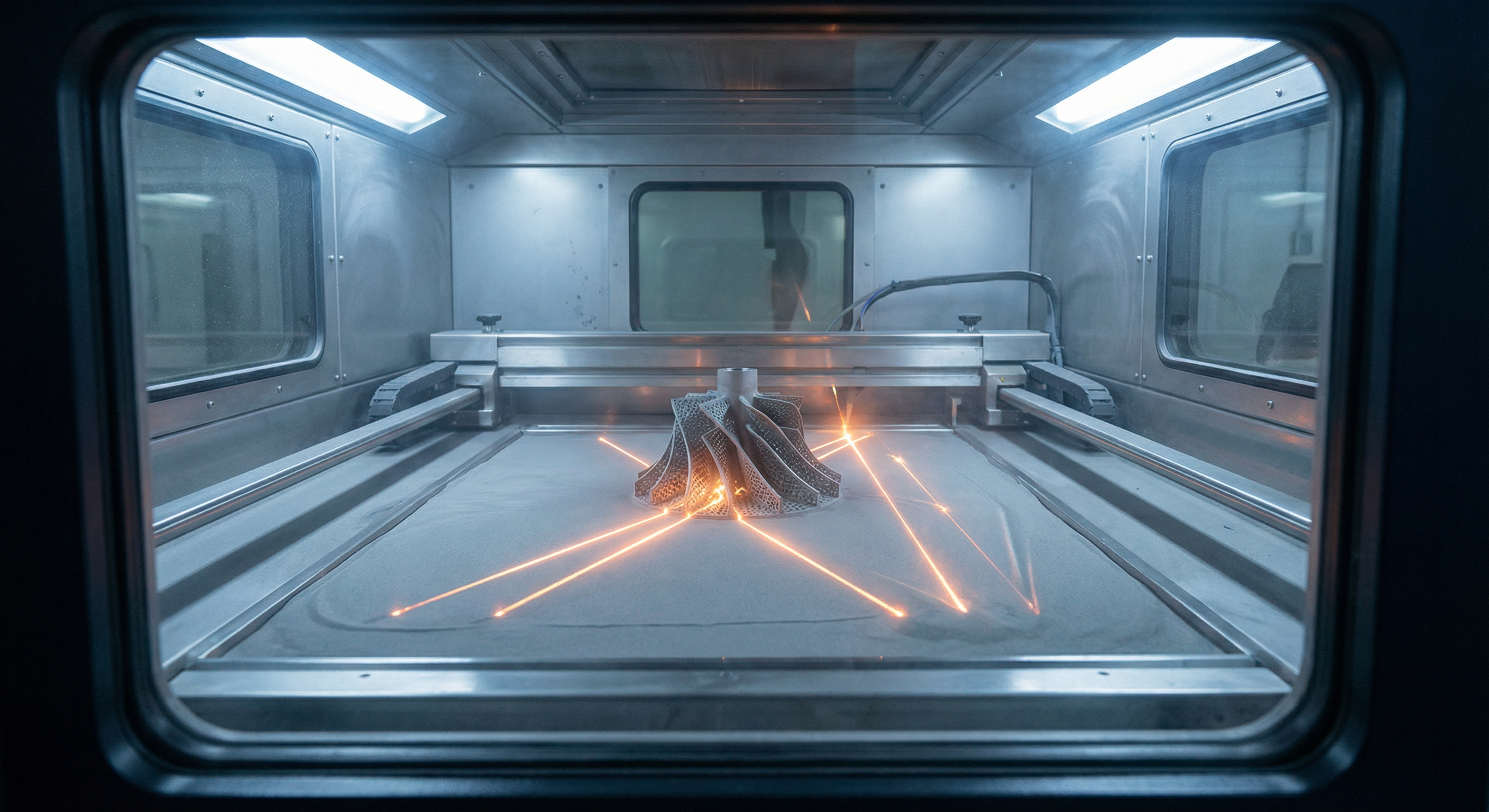
Pre-alloyed steel powder (17-4 PH or 316L, 20-60 µm particle size) loaded into build chamber. Nitrogen atmosphere maintained for stainless steel (oxygen <500 ppm). Build temperature 200-400°C to minimize distortion in high-strength alloys.

Layer-by-Layer Laser Melting

Fiber laser (500-1000W for steel) melts powder at 0.030-0.100mm layer thickness. Steel requires higher laser power than titanium due to thermal conductivity. Scan speed 500-1500 mm/min. 17-4 PH builds achieve 99.5% density as-built, comparable to forged steel.

Stress Relief Heat Treatment

Post-build stress relief at 1150°C (for 17-4 PH) or 1150°C (for 316L), 1-2 hours. Critical for dimensional stability and hardness. 17-4 PH then precipitation hardened at 480°C for 1 hour to achieve H1025 condition (1365 MPa).

Finishing & Hardness Verification

Support removal via CNC or EDM. Grinding to achieve surface finish Ra 0.4-0.8 µm for bearing races or tool surfaces. Hardness testing confirms 50-52 HRC for 17-4 PH. Tensile samples verify material properties per ASTM E8 standards.

Case Studies: Industrial Success Stories

Injection Molding Tool Inserts

Challenge: Complex mold cavity with integrated cooling channels requiring 16-week lead time and $75,000 investment.

Solution: 17-4 PH DMLS insert with optimized cooling geometry designed for 3D printing. Integrated channels impossible with traditional drilling.

Results: 5-week delivery, $18,000 cost, 40% cycle time improvement through superior cooling, 6-month payback through increased productivity.

Consolidated Bearing Assembly

Challenge: Bearing assembly required 7 separate machined components, complex assembly, high scrap rate during production.

Solution: Consolidated all bearing races, seals, and retention features into single 316L steel component via DMLS.

Results: 85% reduction in assembly labor, single-pass assembly, 30% lighter final product, zero additional fasteners required.

Custom Surgical Instruments

Challenge: Hospital needed ergonomic custom surgical clamps for specialized procedure. Traditional manufacturing not viable for low volume.

Solution: 316L stainless steel instruments designed with integrated grip texturing and optimized jaw geometry for precision.

Results: Instruments delivered in 4 weeks, improved surgeon ergonomics, 100% biocompatibility verified, cost-effective even for single units.

Latest Steel 3D Printing News

Ready to Replace Your Tooling & Instruments?

Get a free DFM analysis for your next steel component

Request Engineering Consultation